Program to accelerate professional figures in the circular economy for food
Circular Recipe by circular gastronome Alessia Dinatale
Summary
- Difficulty: Medium
- Preparation: 70 min
- Serves for: 4 people
- Cost: Low
Ingredients
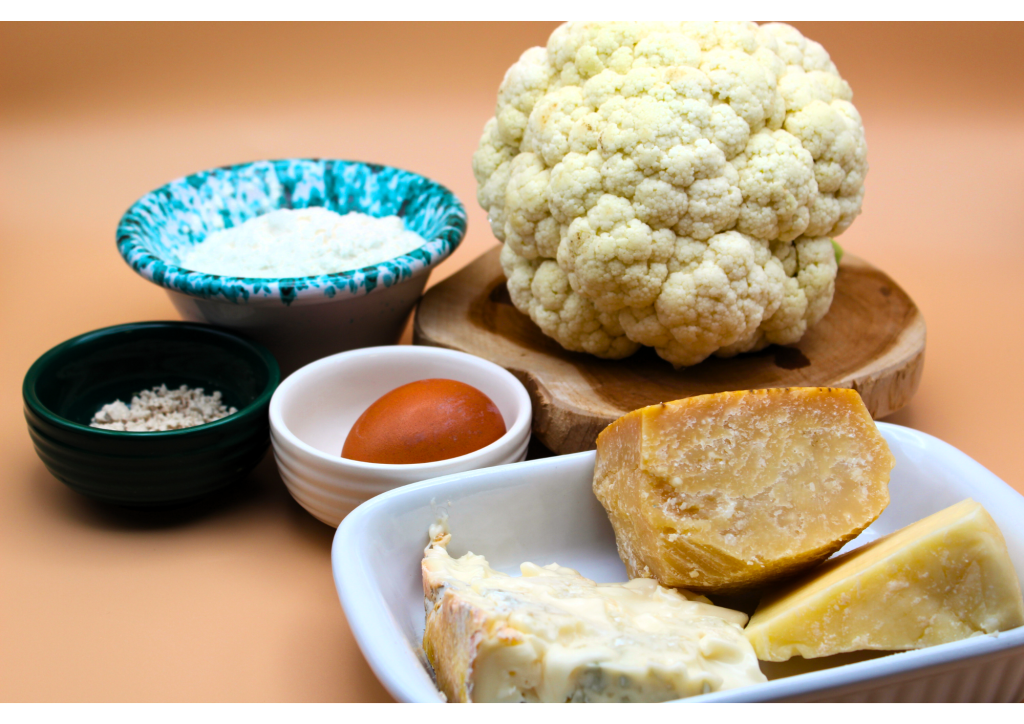
- 1 whole cauliflower
- 400 g of flour
- 5 g of brewer’s yeast
- Water to taste.
- Salt to taste.
- 4 eggs
- 150 g of leftover cheese
- 20 g of cornstarch
- 40 g of walnuts
- Extra virgin olive oil q.b.
Proceedings
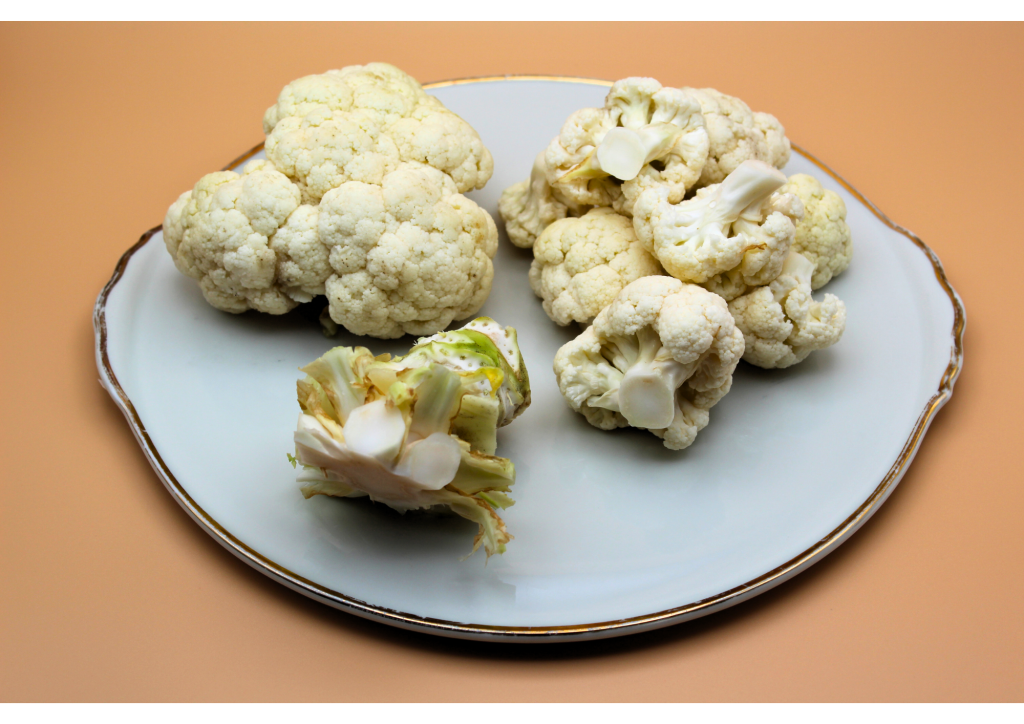
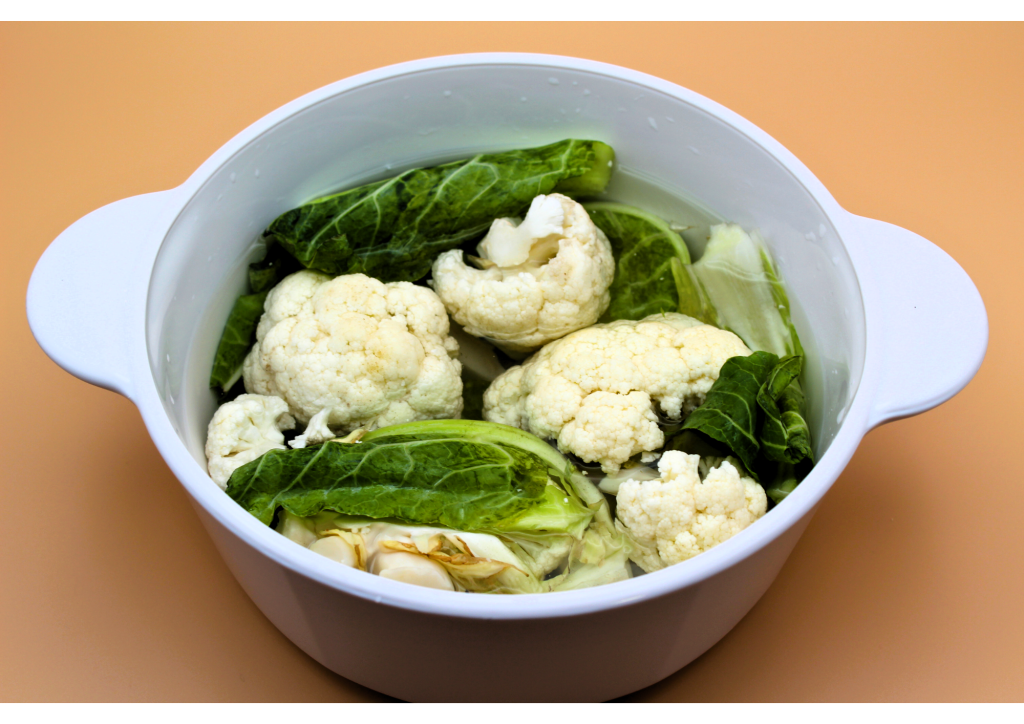
- Clean cauliflower by separating inflorescences, stems and leaves. Place all parts in a steamer or pot with a basket, using water to generate steam. Steam for about 25 minutes until tender. Save the cooking water.
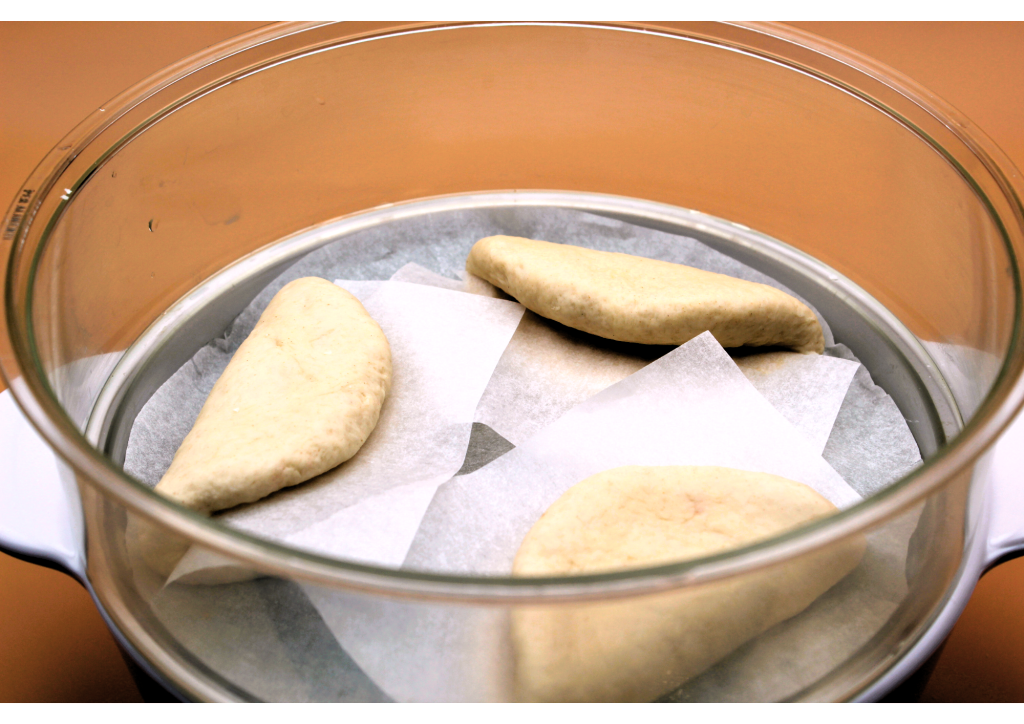
- Meanwhile, prepare the baodough by mixing flour, water, yeast and salt. Knead until the dough is smooth, then let rise until doubled. Form small buns and steam them using the same pot as the cauliflower.
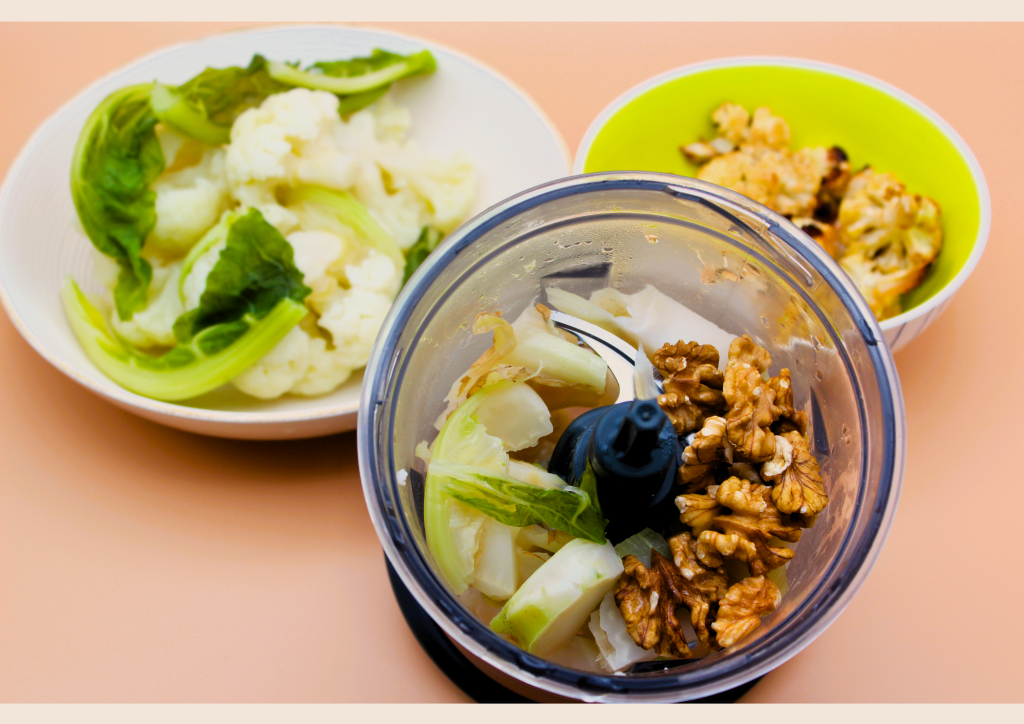
- Once the cauliflower is cooked, divide the inflorescences: one part is browned in a pan with a drizzle of oil to achieve a crispy texture, while the rest, along with the stems, is blended with oil and walnuts until a smooth pesto-like cream is obtained.
- The leaves are seasoned with a drizzle of oil and kept as a vegetable component of the stuffing.
- In the same pot, prepare the fondue by melting the leftover cheeses with a little atte, stirring until smooth.
- Cook the eggs in the same poached water or sunny-side up in a frying pan, depending on the desired consistency.
- Assemble the bao by stuffing them with cauliflower cream, leaves, crispy inflorescence, fondue and egg.
Circular kitchen and eco-efficiency
This recipe is an example of eco-efficiency, a principle that aims to achieve maximum culinary results with minimal use of resources and energy. At the heart of the preparation is the one-pot technique, which allows multiple processes to be concentrated in a single cooking system: the cauliflower is steamed, the bao cooks simultaneously using the same heat, and the same pot is then reused for fondue and egg cooking. This approach significantly reduces energy consumption, the number of utensils used, and overall preparation time .
At the same time, eco-efficiency is expressed in the management of ingredients: cauliflower is used in all its parts, generating different textures without producing waste, while leftover cheese is turned into a fondue, avoiding waste and new purchases.
The transformation process is not just a recovery, but a gastronomic upcycling operation that gives complexity and sustainability to the dish, not only from an environmental point of view but also from an economic and organizational one. From this perspective, efficiency stops being a technical constraint and turns into a creative design, capable of generating edible value through a systemic and conscious management of domestic resources.
Photos by Alessia Dinatale