Country: USA
Address: 315 Front St New Haven, CT 06513 USA
Type of reality: Non-profit organization
Target audience: B2B
Web site: www.greenwave.org
Scenario
Marine pollution is one of the most serious threats to aquatic ecosystems worldwide, and the main sources include plastic and solid waste. Millions of tons of plastic end up in the oceans each year, causing serious harm to marine animals. Chemicals and pesticides from industrial, agricultural and municipal emissions carry not only excess nutrients but also toxins such as pesticides and heavy metals into the ocean, causing eutrophication and oxygen-deprived dead zones. Oil and hydrocarbon pollution is often caused by oil spills and illegal dumping that contaminate marine habitats. On the other hand, microplastics from the deterioration of cosmetics, synthetic fibers, and plastics themselves enter marine ecosystems and have toxic effects on wildlife and food chains.
Description
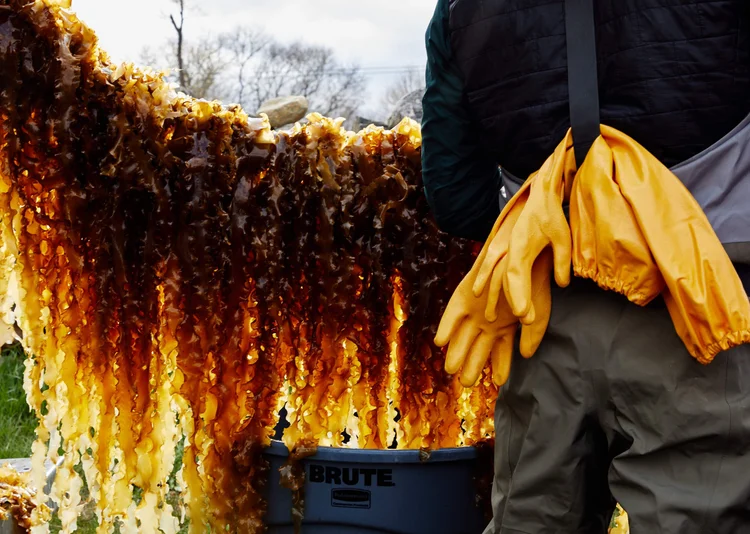
GreenWave is a nonprofit organization whose mission is to support 10,000 marine farmers and promote renewable marine crops that have an important economic and climate impact. The focus is on education and innovation through various initiatives. The company’s online Ocean Farming Hub provides tools, knowledge and markets to farmers, while its intensive training program supports more than 900 farmers through workshops and technical assistance.
GreenWave promotes economic justice by ensuring that disadvantaged communities benefit from industrial growth. When it comes to innovation, they work with processors and retailers to overcome market barriers, develop advanced research projects, and manage the Kelp Climate Fund, which provides grants to farmers for environmental benefits. Sustainable algae farming offers a promising solution to regenerate marine ecosystems and reduce the effects of pollution. Algae, which are photosynthetic organisms, absorb carbon dioxide during photosynthesis, contributing to lower carbon dioxide levels in the atmosphere and ocean acidification.
This process improves water quality and encourages the growth of other marine life. Some species of algae can absorb and metabolize excess nutrients such as nitrogen and phosphorus, preventing eutrophication and dead zones. It also absorbs heavy metals and other harmful substances and purifies water. Seagrass forests provide habitat and shelter for numerous marine species, promote biodiversity, create feeding and breeding grounds for fish and invertebrates, and contribute to the stability and resilience of marine ecosystems. Seaweed cultivation produces biomass for a variety of sustainable purposes such as biofuels, animal feed, fertilizers, and cosmetics, reducing pressure on traditional terrestrial and marine resources and promoting sustainable agricultural practices.
Integrating algae cultivation with circular economy practices allows nutrients and waste to be recycled and reused, reducing the overall impact on the environment. Sustainably grown algae can be used to produce biodegradable bioplastics, reducing dependence on petroleum-based plastics and associated ocean pollution.
Bibliography
- Cotas, J., Gomes, L., Pacheco, D., & Pereira, L. (2023). Ecosystem services provided by seaweeds. Department of Life Sciences, MARE-Marine and Environmental Sciences Centre/ARNET-Aquatic Research Network, University of Coimbra, 3000-456 Coimbra, Portugal.
- Our work – GreenWave. (n.d.). GreenWave. https://www.greenwave.org/work
- Our story – GreenWave. (n.d.). GreenWave. https://www.greenwave.org/story
- FAO. (2016). The state of world fisheries and aquaculture. Contributing to food security and nutrition for all. Rome(http://www.fao.org/3/a-i5555e.pdf).
- Regenerative Ocean Farming Hub – GreenWave. (n.d.). GreenWave. https://www.greenwave.org/hub
- Zheng, Y., Jin, R., Zhang, X. et al.
The considerable environmental benefits of seaweed aquaculture in China.
Stoch Environ Res Risk Assess 33, 1203-1221 (2019). https:// doi.org/10.1007/s00477-019-01685-z