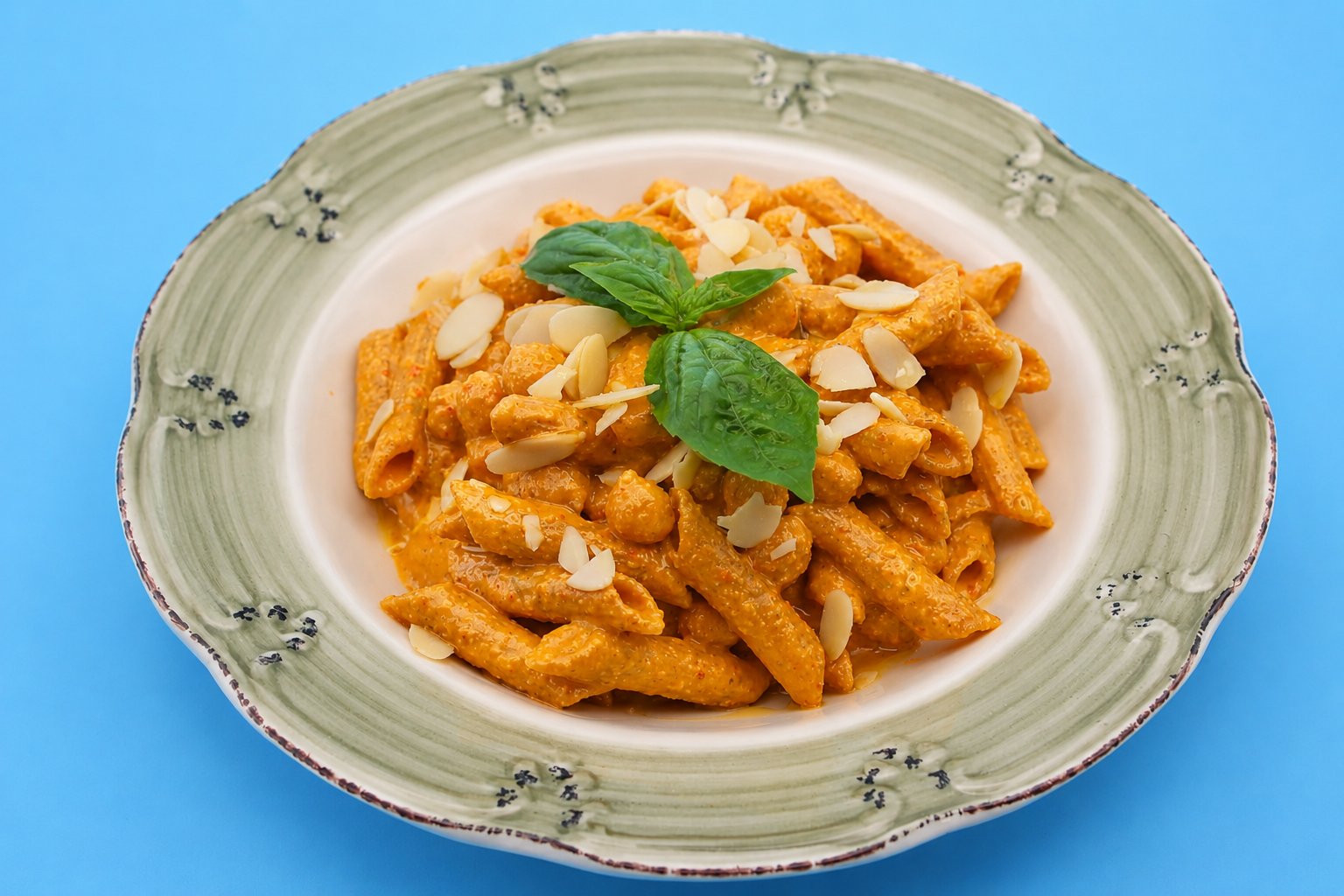
The recipes and anti-waste approaches of Floriano Pellegrino, Paco Mendez, Davide Guidara and Franco Pepe
By Serena Costa, freelance journalist for circulareconomyforfood.eu
Is it possible to combine haute cuisine with the reuse of raw materials or, even, with the reworking of beautiful, ready-made dishes? “Absolutely yes!” Word from four Italian and international starred chefs, who tell about their understanding of the circularity of cooking.
While it is true, in fact, that for the past four years the prestigious Michelin Guide has introduced “green stars,” a recognition that rewards the use of “zero-kilometer” raw materials, or the reduced use of plastic packaging, or even the energy self-sufficiency of facilities, it is equally true that the generalized approach of international cuisine is increasingly aimed at the reuse of food in all its parts. Resulting in a drastic reduction of waste, savings on the purchase of raw materials, but also creativity rooted in ancient traditions.
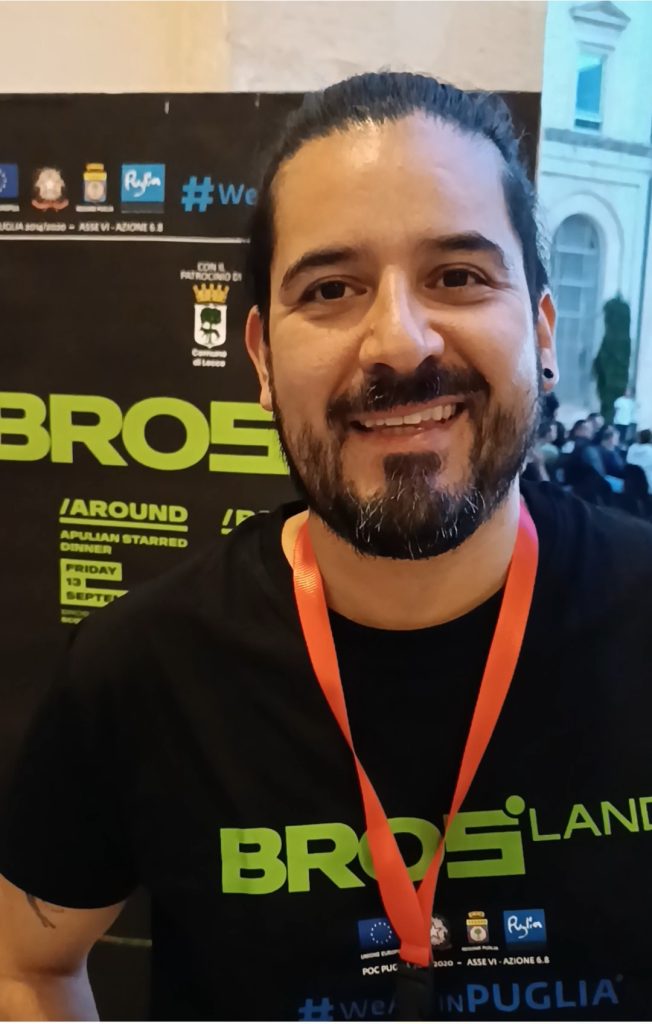
Such is the case with Salento cuisine, as explained by Floriano Pellegrino, who together with partner Isabella Potì earned a Michelin star in 2018 with the Lecce restaurant Bros’. “Salento dishes are totally based on recycling. A typical example from my home town, Scorrano, is the pane cotto, made from hard bread, seasoned with a vegetable, usually turnip, and enriched with protein from legumes, such as lentils, and to give flavor you add a sarda melted in hot evo oil.” . E alla domanda se nella cucina stellata si riesca a coniugare l’anti-spreco con la qualità, Pellegrino risponde: “Absolutely. Today haute cuisine must be able to recycle and not waste, also because a different approach is no longer sustainable.” .
From the local to the global, we move to Barcelona, where star chef Paco Mendez has won over palates by combining his country of origin, Mexico, with Catalan gastronomy. “In order to recycle, it is essential both to deal with a raw material of great quality and to have techniques with which to manipulate food,” explains the chef, who proposes a simple recipe that can also be made at home: tomato jelly. In fact, it often happens that homemade salads used as a side dish for main courses remain untouched. A tasty jelly can be made from the pulp and water of leftover tomatoes, which can be served as an appetizer. In addition, Chef Mendez then adds, another interesting recipe involveswhite asparagus: “The tail of this vegetable, which represents the hardest and bitter part, can be fermented and turned into vinegar.”
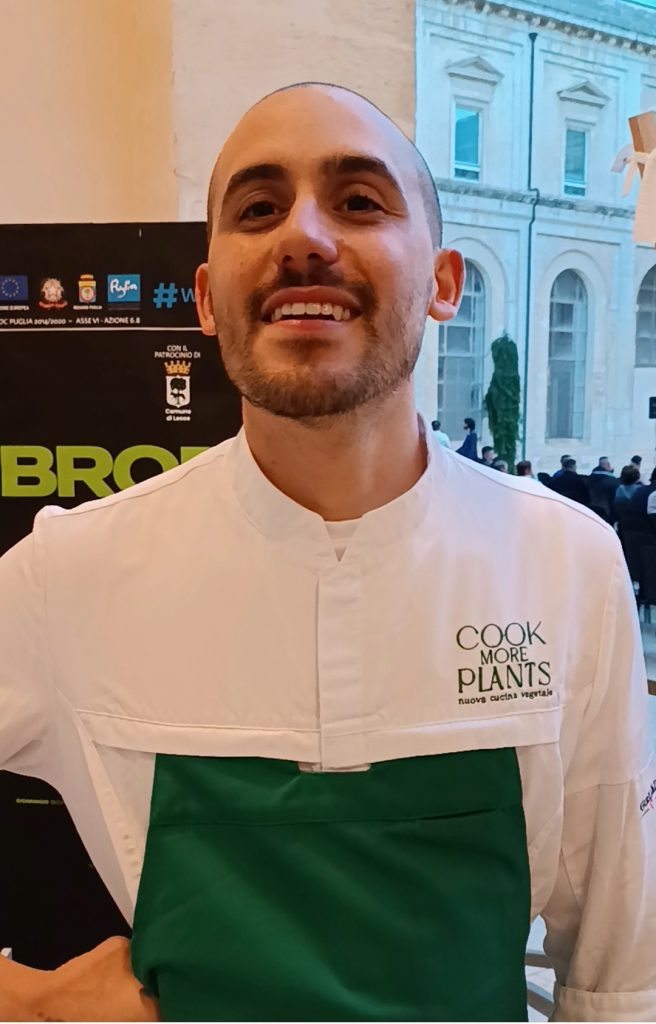
At the heart of young star chef Davide Guidara ‘s culinary philosophy is not exactly an ethic of sustainability, so much as a desire to push the accelerator on thetechnical evolution of vegetable handling (but woe betide anyone who says the chef is a vegetarian). Yet this does not stop him from avoiding waste. “I quote my ‘Manifesto of New Vegetable Cuisine ,'” the 30-year-old from Campania explains. “Vegetables represent the most important test of a cook’s technical skills, as they require in-depth scientific knowledge, often long times and high precision. It is only through the many techniques, including fermentation and maceration, that we are also able to achieve a longer-lasting state of food preservation and reduce waste to virtually zero. Within my facility, then, four restaurants work simultaneously: products that are not used by one of the restaurants converge to the other and vice versa.” .
And even the world’s most famous pizza maker has managed to make pizza a circular kitchen food. “There are many pizzas on my menu that tell precisely the art of reuse ,” says chef Franco Pepe, whose pizzas have been judged by the Michelin Guide as the best in the world. In Mangiabufala, for example, we put crispy bread on the pizza as it comes out of the oven, which comes from the leftover dough from the day before, which is baked the next day. Or again we turn cheese crusts into crispy chips with which we decorate our pizzas.” .

Bibliography
- Acknowledgements. (n.d.). Peppercorns. https://www.pepeingrani.it/premi
- Davide Guidara: ” Here is my manifesto of new plant-based cuisine.” (2022, March 14). fodclub.co.uk. https://www.foodclub.it/articoli/davide-guidara-ecco-il-mio-manifesto-di-nuova-cucina-vegetale
- Martina Marotta. (2024, January 25). Can starred restaurants be sustainable? Eicom Energia | Electricity, gas and multiservices for your business. https://eicomenergia.it/i-ristoranti-stellati-possono-davvero-essere-sostenibili/
- Floriano Pellegrino – Pellegrino Brothers. (n.d.). https://www.pellegrinobrothers.it/floriano-pellegrino/
- COME by Paco Méndez-Barcelona-A MICHELIN Guide restaurant. (n.d.). MICHELIN Guides. https://guide.michelin.com/it/it/catalunya/barcelona/ristorante/come-by-paco-mendez