Program to accelerate professional figures in the circular economy for food
Circular Recipe by circular gastronome Alessia Dinatale
Summary
- Difficulty: Easy
- Preparation: 40 min
- Serves for: 4 people
- Cost: Low
Ingredients
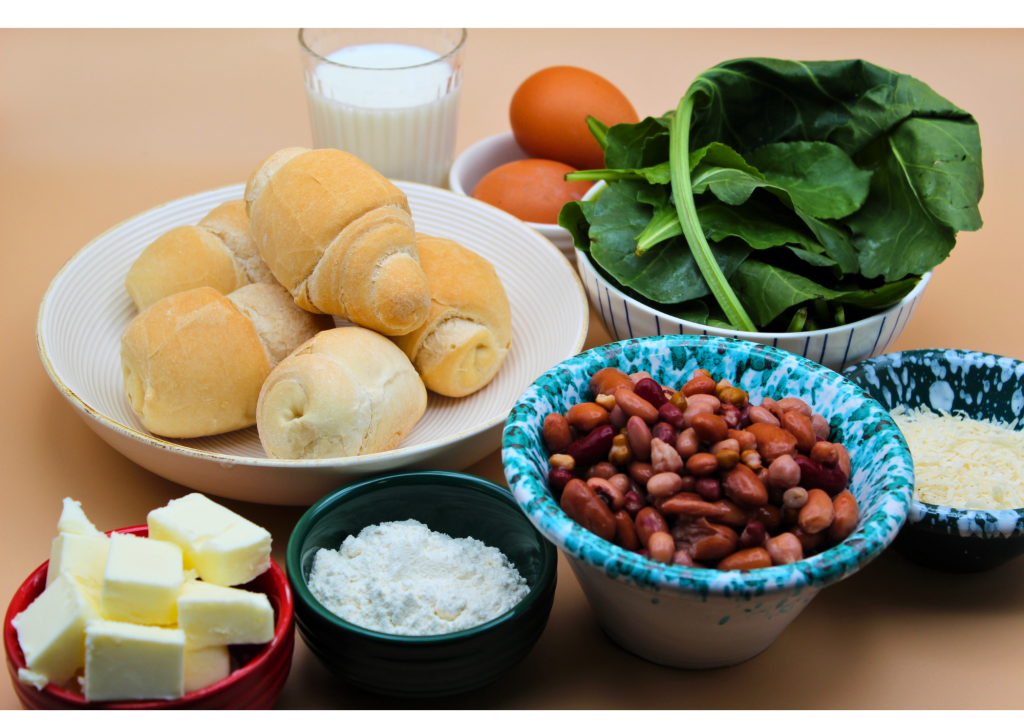
For the dumplings
- 300 g of stale bread
- 200 g of chard stalks
- 1 egg (or 2 tablespoons chickpea flour + 4 tablespoons water for vegetable version)
- 40 g of grated parmesan cheese (or nutritional yeast)
- 150 ml milk or water to taste.
- Nutmeg to taste.
- Salt and pepper to taste.
- Flour q.b. (optional)
For the beet and bean dressing
- 200 g of chard leaves
- 240 g cooked cannellini beans
- 20 g butter or extra virgin olive oil
- Beet cooking water to taste.
- Salt and pepper to taste.
Proceedings
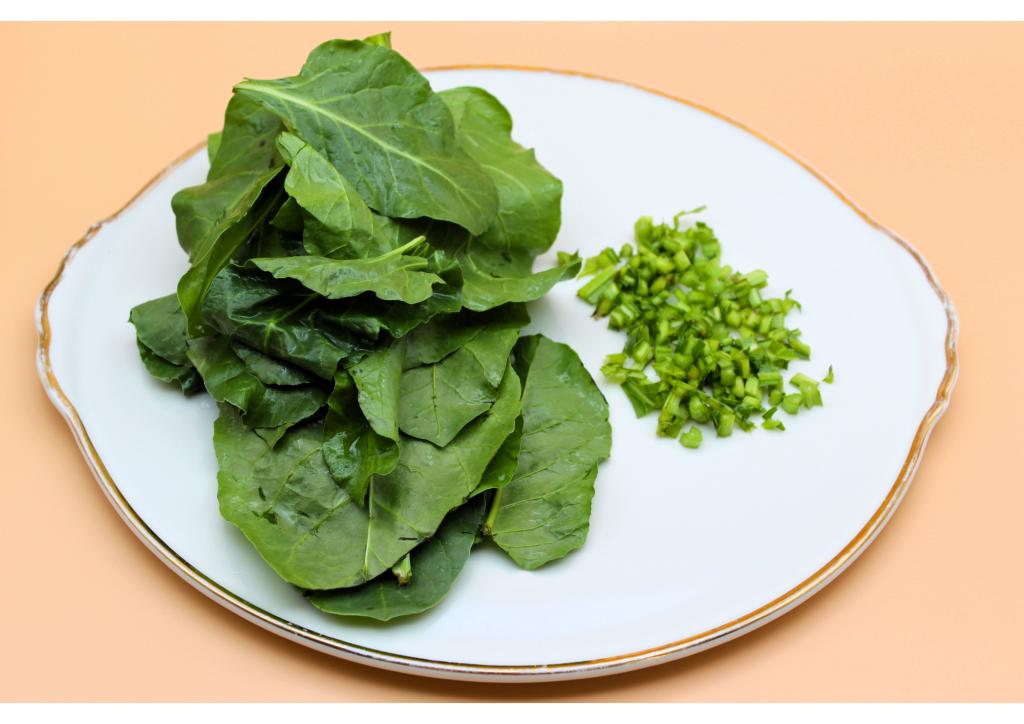
- Separate the leaves from the stems of the chard. Cut the stems into small pieces and boil them in water until soft but still firm. Save the cooking water. Boil the leaves in the same water for a few minutes as well, then drain and set aside.
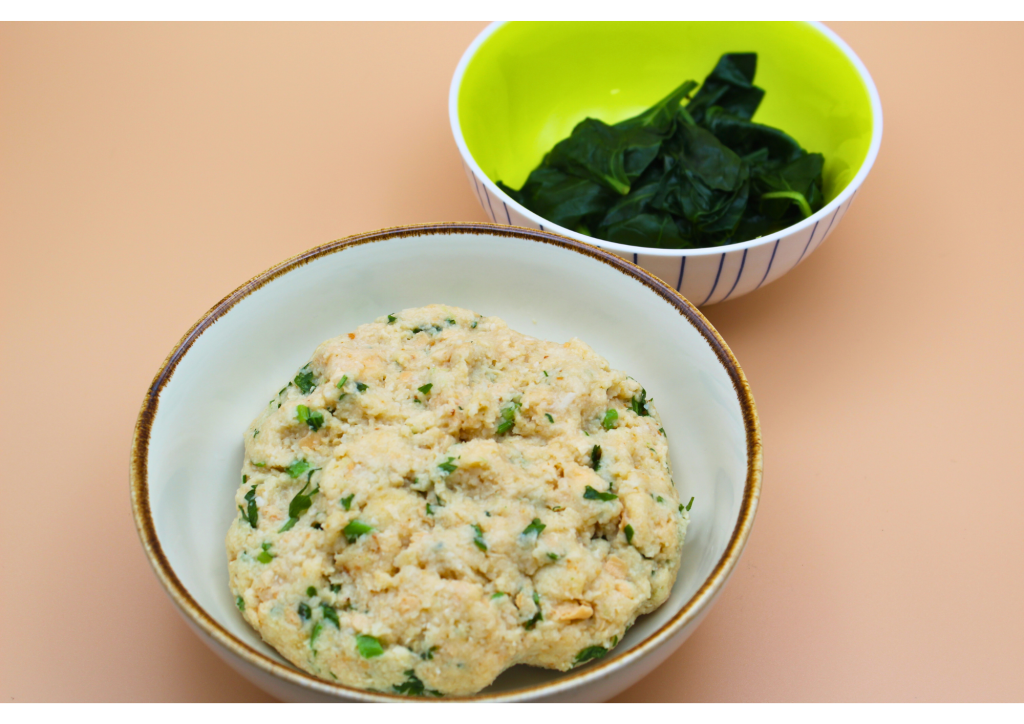
- Cut stale bread into cubes and place in a bowl. Add warm milk or just enough water to soften it completely. Let it rest for a few minutes, then add the cooked chard stems, egg or vegetable substitute, Parmesan or nutritional yeast, salt, pepper and a grating of nutmeg. Mix until the mixture is smooth, moist but workable. If necessary, add a little bread crumbs.
- Form into balls with slightly damp hands and let stand for a few minutes. Cook the dumplings in the same water used for the chard, kept at a light boil, until they rise to the surface. Drain them gently.
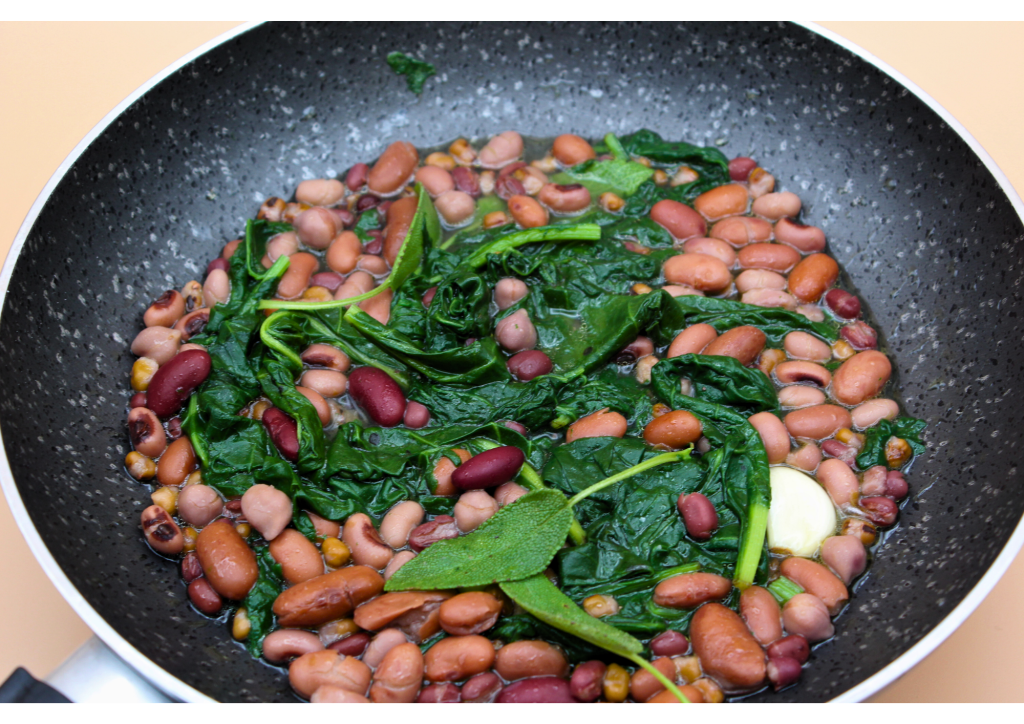
- Meanwhile, prepare the dressing: saute the chard leaves with butter or oil and add the cannellini beans. Add a few tablespoons of cooking water to achieve a creamy consistency. Adjust for salt and pepper.
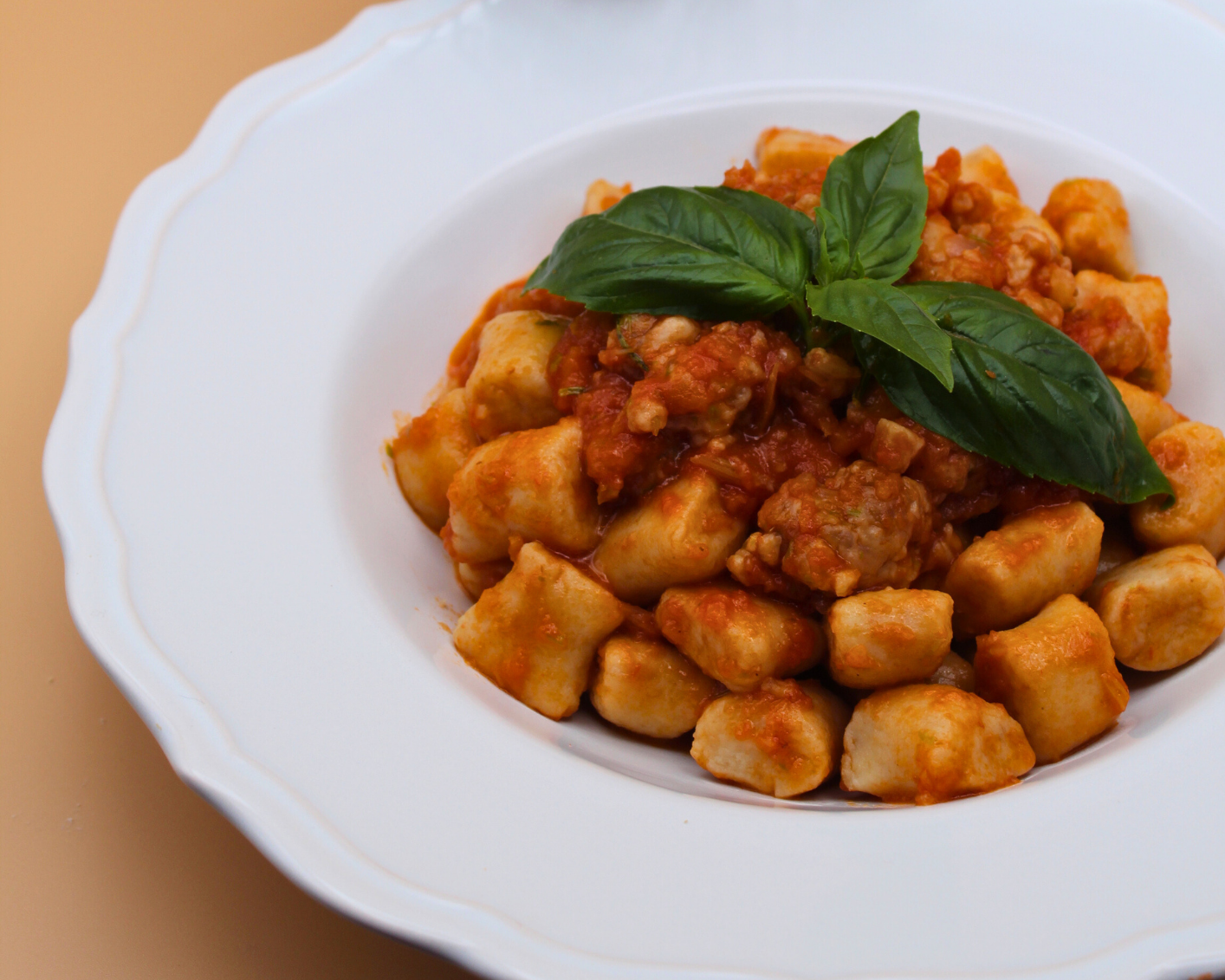
- Serve the dumplings hot with the beet and bean dressing, topping with a drizzle of extra virgin olive oil raw or a sprinkling of parmesan or nutritional yeast.
Circular cuisine and nutritional sustainability
This recipe is a concrete example of nutritional sustainability, in which the value of food is built through the balance between nutritional quality, efficient use of resources and waste reduction.
Stale bread, the basis of dumplings, is recovered and made into a new preparation, while chard is used in its entirety: the stems contribute to the structure of thedough and the leaves become part of the seasoning.
The central element of the recipe is protein complementation, achieved through the combination of grains and legumes: bread provides sulfur amino acids, while beans provide lysine, together creating a complete protein profile. This synergistic relationship between ingredients allows for a nutritionally balanced dish without resorting to animal protein.
The reuse of cooking water and the processing of simple, local ingredients further reinforce the circular coherence of the process. The result is a satiating, accessible and replicable dish that fits into a more sustainable, nutritious and conscious food model inspired by Alpine tradition reinterpreted in a circular way.
Photos by Alessia Dinatale