


Program to accelerate professional figures in the circular economy for food
Circular Recipe by circular gastronome Alessia Dinatale
Summary
- Difficulty: Medium
- Preparation: 60 min
- Cooking: 30 min
- Serves for: 2 people
- Cost: Low
Ingredients
Cream of pumpkin
- Cooked pumpkin pulp
- 1 tablespoon evo oil
- Salt, pepper
- 1-2 tablespoons cooking water
Vegetable milks
- Raw pumpkin seeds
- 150 ml water
- 30 g roasted hazelnuts
- 150 ml water
Browse
- Cooked husks
- 30 g hazelnut pulp
- 150 g 00 flour
- Pumpkin cooking water qb
Vegetable béchamel
- Salt, pepper, nutmeg
- 150 ml hazelnut milk
- 150 ml pumpkin seed milk
- 20 g flour
- 20 g evo oil
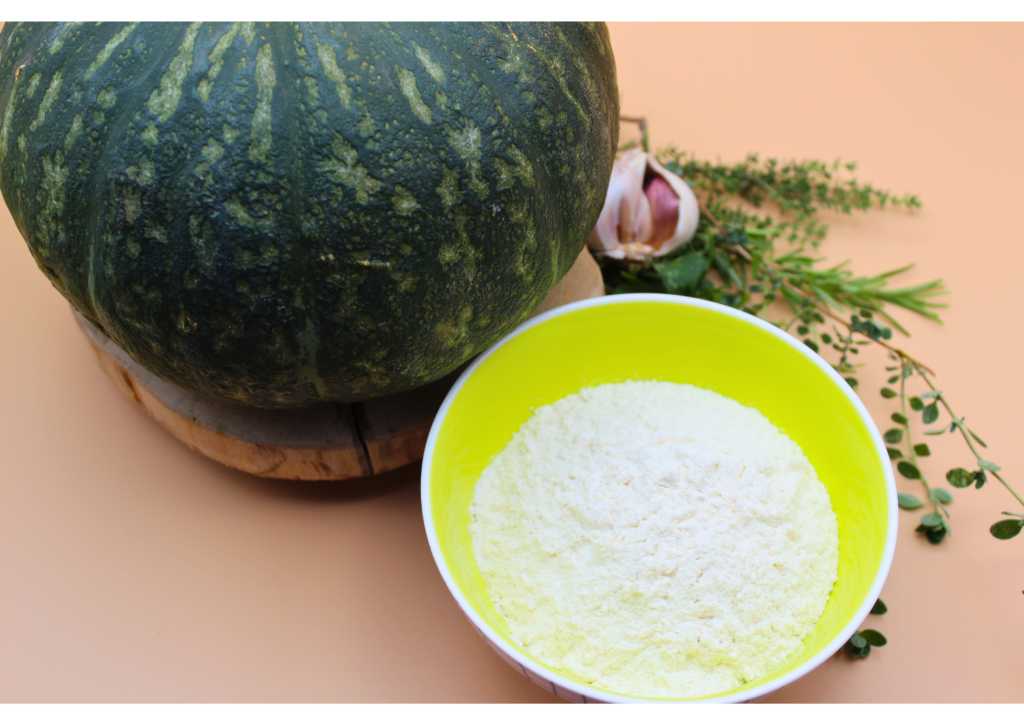
Proceedings
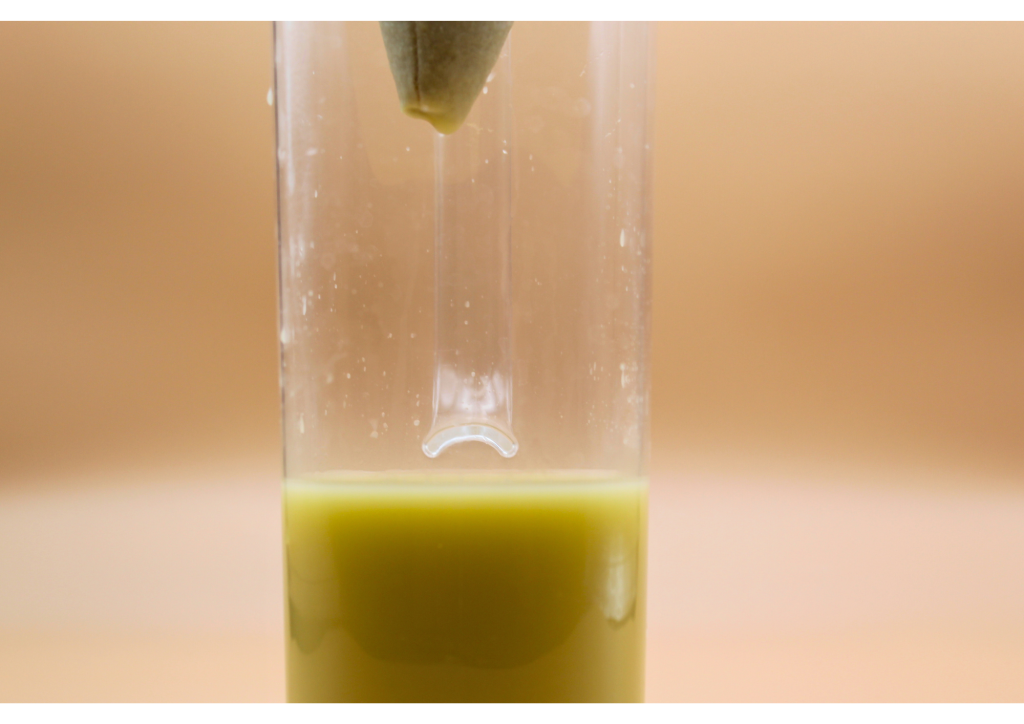
- Blend roasted hazelnuts with water until smooth. Strain through a fine gauze or strainer, collecting the milk on one side and saving the pulp for the sheet. For pumpkin seed milk, the process is the same as for hazelnut milk. The seed milk waste, in this case, should be considered spent and not usable as it is too fibrous.
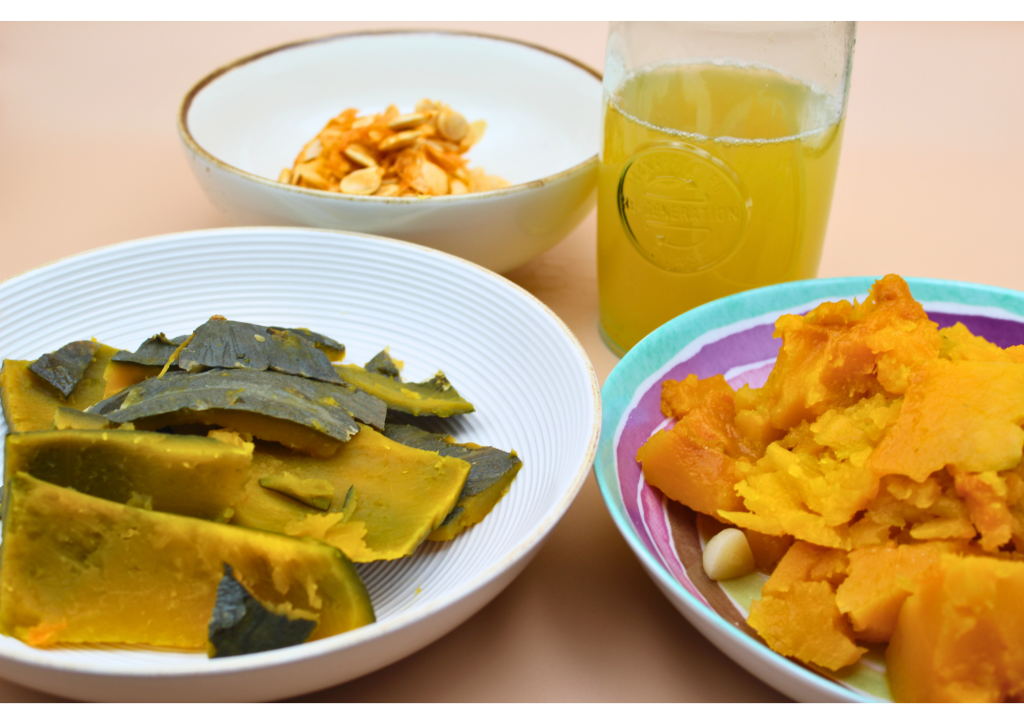
- Slice pumpkin with skin on. Cook in covered pan with little water on bottom and optional flavors for 20-25 min. Keep aromatic cooking water aside.
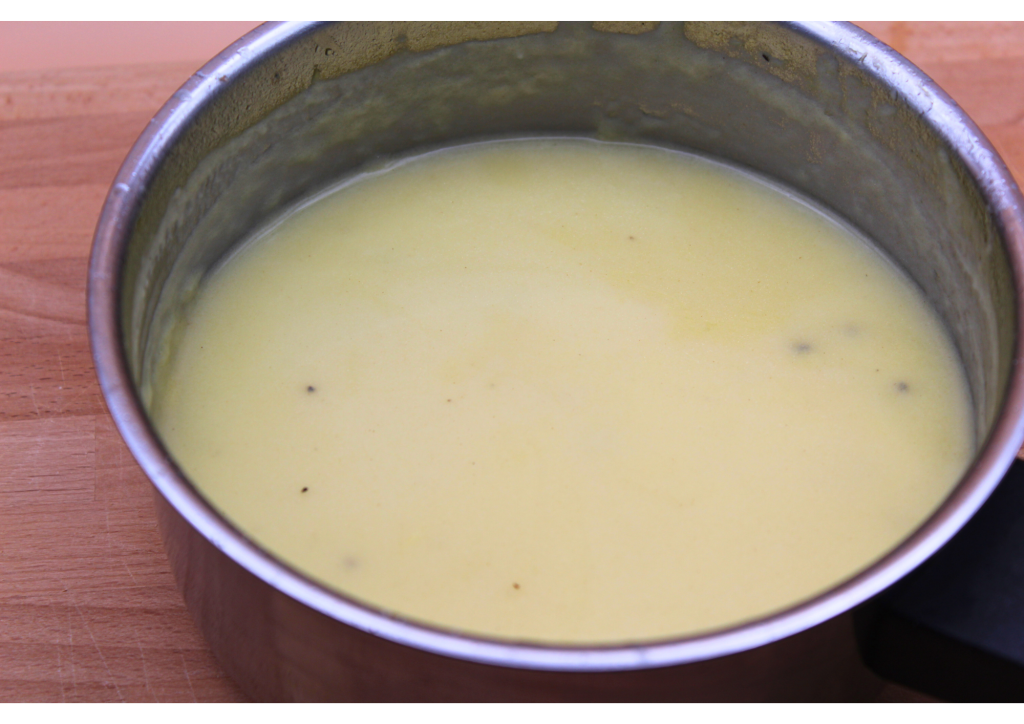
- Blend the pulp with oil, salt, pepper and the cooking water. It should turn out creamy.
- Finely chop the cooked peels. Knead them with flour, hazelnut pulp and cooking water until you get an elastic dough. Let it rest for 15 min, roll out and cut rectangles. Blanch them 30-40 sec in salted water.
- For the béchamel, prepare the roux, or the base that will be used to thicken the béchamel, with oil and flour by cooking them for a few minutes. Add 150 ml hazelnut milk and 150 ml pumpkin seed milk. Cook over low heat until smooth creamy. Adjust salt, pepper, nutmeg.
- Alternate puff pastry, pumpkin cream and bechamel sauce. Finish with bechamel sauce and optional breadcrumbs. Bake in preheated oven 200°C for 30 min. Let rest 10 min before serving.
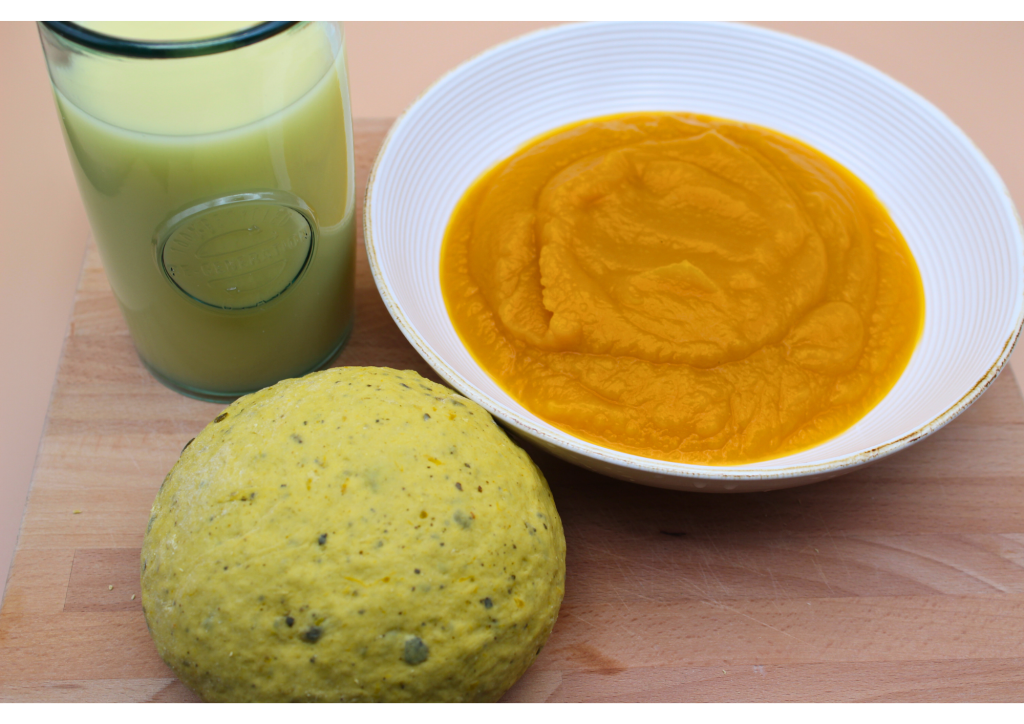
dough obtained from the peels
Circular Kitchen and Pure Cycle
This vegan pumpkin lasagna was created to put into practice the Pure Cycle concept of the circular economy: an approach to cooking that maintains the purity of the resource at various stages of the value chain, particularly its quality, as well as the nutritional and organoleptic properties of the foods in a meal. This is therefore also reflected in the techniques used to prepare the meal. It is a logic that enhances simple, recognizable and easily separated ingredients, maintaining identity without resorting to complex processing. It also favors process transparency: what goes into the kitchen is the same as what we find on the plate, with no opaque residues or unidentifiable components.
In this recipe, the principle is realized through the integral use of pumpkin-the pulp, peels and seeds-each employed in its most direct form. The pulp becomes cream, the peels are turned into fresh pastry, and the seeds give rise to the vegetable milks needed for the béchamel. The dish thus becomes a clear example of how an ingredient can be treated “in purity,” keeping its path traceable and enhancing what would usually be discarded.
The concept also dialogues with a vision of domestic eco-design, in which each step is designed to produce minimal waste, recover cooking water, exploit by-products, and reduce the use of external resources. The outputs of one step become inputs for the next, without introducing superfluous or extraneous elements. The kitchen thus behaves like a small regenerative ecosystem, capable of optimizing what is already there.
The recipe also embodies an idea of virtuous dynamics, allowing the ingredient to take on different functions without ever leaving the domestic system: what was peel becomes texture, what was seed becomes the basis for a sauce, what was cooking water becomes an aromatic binder. A concrete way to show that matter is never waste, but a resource to be reinterpreted.
In this way, pumpkin lasagna is not just a dish, but an exercise in culinary design that showcases purity of ingredients, integral use of raw materials, reduction of waste, and systemic enhancement of parts. An accessible example of how everyday cooking can be transformed into a creative, responsible and circular act!
Photos by Alessia Dinatale


